What is Homeschooling?
Homeschooling means different things to different people. It is a movement rich in diversity and schools of thought. Explore what homeschooling is from different perspectives.
What is Homeschooling?
Homeschooling: Back to the Future?
Explore some of the history of the homeschooling movement, why some parents choose to homeschool, the basics of homeschooling, and more. The article includes some homeschooling statistics and demographic information. Also included is a discussion of the influences of Dr. Raymond Moore and John Holt on the emerging homeschool movement.
The Politics of Survival: Home Schoolers and the Law
Twenty years ago, home education was treated as a crime in almost every state. Today, it is legal all across America, despite strong and continued opposition from many within the educational establishment. How did this happen? This paper traces the legal and sociological history of the modern home school movement, and then suggests factors that led to this movement's remarkable success.
On the Edge of the 21st Century
The right to home school is based on two fundamental principles of liberty: religious freedom and parental rights. Whenever one of these two freedoms is threatened, our right to home school is in jeopardy. Here are the battles we think home educators will be facing as we enter the next century:
What Is Homeschooling?
Patricia M. Lines discusses the basics of homeschooling and the special concerns surrounding it, including legal issues, the success of homeschoolers, colleges, and more.
History of Homeschooling
Home in education has been around as long as Adam and Eve. Adam and Eve had no teachers or school to send their children to, so they simply had to do it themselves. It has been the case during much of history that they were simply no schools to send children to, leaving parents with no alternative but to homeschool.
The History of Homeschooling
This infographic from OnlineCollege.org features a graphical representation of the history of homeschooling, methodologies, statistics, and other interesting facts.
What is Homeschooling?
Steve Moitozo explains how homeschooling is parents deciding and directing the education of their children—deciding and directing the education, not doing all the educating.
Marking the Milestones: Historical Times
This timeline highlights the important milestones in the fight for homeschool freedom in the United States.
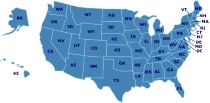
Looking for Another State?
Featured Resources
As an Amazon Associate, we earn from qualifying purchases. We get commissions for purchases made through links on this site.

Real Learning: Education in the Heart of the Home
This book is not about "school at home"--it is about something better. It is about Real Learning. Homeschooling pioneer Charlotte Mason wrote with great wisdom about providing young minds with a living books education. She urged teachers to present great ideas and stand back, allowing students to form relationships with the ideas. Elizabeth Foss carries Miss Mason's philosophy from the idealto the real. How does the busy home-educating mom balance the various needs of a houseful of children? How...

Free to Learn: Introducing Steiner Waldorf Earkt Childhood Education
Free to Learn is a unique guide to the principles and methods of Steiner Waldorf Early Childhood education. The author draws on kindergarten experience from around the world, with stories, helpful insights, lively observations and pictures. This inspiring book will interest parents, educators, and early years education students. It is up to date, comprehensive, and contains many illustrations, including a 16-page color section. Lynne Oldfield invites you to explore Steiner Waldorf kindergarten...

Elementary Geography
Elementary Geography is a reprint of the original work by Charlotte Mason. It includes her ideas about teaching children about their world, with poetry selections throughout the book. Explores ideas of place from space to our earth, seasons, map making, and topography. Written in a pleasing conversational style, it is useful for understanding teaching methods, memorization, and copy work.
Homeschooling 101: A Guide to Getting Started
Homeschooling 101 gives you the steps to help you get started on your homeschool journey. This guide lays out how to get started, choose and gather curriculum, scheduling, organizing your home, and finding the joy in homeschooling. This book is perfect for new homeschoolers who are looking for real help in taking the first step.

The Exhausted School: Bending the Bars of Traditional Education
These 13 essays, presented at the 1993 National Grassroots Speakout on the Right to School Choice, illustrate how education reform actually works. Written by award-winning teachers and their students, these essays present successful teaching methods that work in both traditional and nontraditional classroom settings. “Gatto’s voice is strong and unique.” — Thomas Moore, author of Care of the Soul