How To Homeschool
What's Popular
Ed Helper
SchoolExpress

Christian Unschooling : Growing Your Children in the Freedom of Christ
Robinson Curriculum
Alliance Homeschool Accountability Association
CM Families of the South

Together In Education and Support (TIES)
Homeschooling Creatively
Charleston Unschoolers
Montessori Homeschooling Groups
Tri-County Educational Association of Community Homeschoolers (TEACH)
South Carolina Connections Academy
Sonlight Catholic
Homeschooling Students With Different Learning Styles (Visual, Read/Write, Auditory and Kinesthetic)
Resources
TruthQuest History
A History of Science
Alpha-Phonics

Basic Montessori: Learning Activities for Under-Fives

Tomorrows Child
Montessori Reading
Pecci Reading Method: At Last! A Reading Method for Every Child
A Reason For® Handwriting

Visual Brainstorms

Idea Book For Cuisenaire Rods At The Intermediate Level

LeapPad Game - Mind Wars Jr. Interactive Game

Real Lives: Eleven Teenagers Who Don't Go to School

Catholic Home Schooling: A Handbook for Parents
Sing, Spell, Read & Write
Phonics Pathways
Montessori International

The Absorbent Mind
A new foreword by John Chattin-McNichols, Ph.D., President of the American Montessori Society, places this classic book in a contemporary context, offering an intelligent discussion of current thinking in child education.
Greenleaf Press
A Reason For® Spelling

Pattern Blocks and Boards

Flip Over Math Manipulatives
Greenleaf Press
A Child's Story of America
Life in America
A Reason For® Reading

Cuisenaire Rods Multi-Pack

The Ultimate Book of Homeschooling Ideas: 500+ Fun and Creative Learning Activities for Kids Ages 3-12
As a homeschooling parent, you're always looking for new and creative ways to teach your child the basics. Look no longer! Inside this innovative helper, you'll find kid-tested and parent-approved techniques for learning math, science, writing, history, manners, and more that you can easily adapt to your family's homeschooling needs. And even if you don't homeschool, you'll find this book a great teaching tool outside the classroom. You'll discover fun and educational activities for kids ages 3 to 12, including how to:
·Create maps based on favorite stories, such as Treasure Island or The Wizard of Oz
·Make letters out of French fries as an alphabet learning aid
·Explore architecture by building igloos, castles, and bridges with sugar cubes and icing
·Review spelling words by writing them on the sidewalk with chalk
·And many more!
This comprehensive collection of tried-and-true—and generally inexpensive—ideas provides the best-of-the-best homeschooling activities that can be done anywhere, anytime, and by anyone.

Rhythms of Learning : What Waldorf Education Offers Children, Parents & Teachers (Vista Series, V. 4) (Vista Series, V. 4)
This collection is the clearest introduction to the ideas of Waldorf education currently available. "Rhythms of Learning" contains Steiner's most important lectures on teaching and child development. It is an excellent resource for everyone interested in taking education successfully into the 21st century.

Waldorf Education: A Family Guide
What draws parents and educators toward Waldorf Education today? "Waldorf Education - A Family Guide" offers a "first look" for parents and educators into the history, philosophy, curriculum, and traditions of this unique education. This comprehensive book is a collection of articles describing the world of Waldorf Education - the fastest growing independent school movement in the world.

Homeschooling: The Teen Years : Your Complete Guide to Successfully Homeschooling the 13- to 18- Year-Old (Prima Home Learning Library)
The guide is neatly packaged and easy to read in the same style of its sister publications, Homeschooling: The Early Years and Homeschooling: The Middle Years. A large collection of lists and quick tips offer everything from the top 10 books for teens and the most popular math programs to money-saver suggestions such as joining a local college's foreign-language club and asking for discarded equipment from local schools. The last chapter contains two college application essays written by teenage homeschoolers. It also provides reassuring information about diplomas. Many universities follow Harvard's policy of not requiring a diploma, but if you or your homeschooling support group do issue one, your teenager can answer "yes" to the diploma question on most job applications--a fact sure to illicit a collective sigh of relief from thousands of parents who homeschool their teens. --Jodi Mailander Farrell
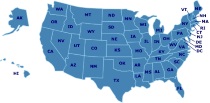
Looking for Another State?
Featured Resources
As an Amazon Associate, we earn from qualifying purchases. We get commissions for purchases made through links on this site.

Kinder Dolls: A Waldorf Doll-Making Handbook
Homeschooling 101: A Guide to Getting Started

Secret of Childhood

Elementary Geography
